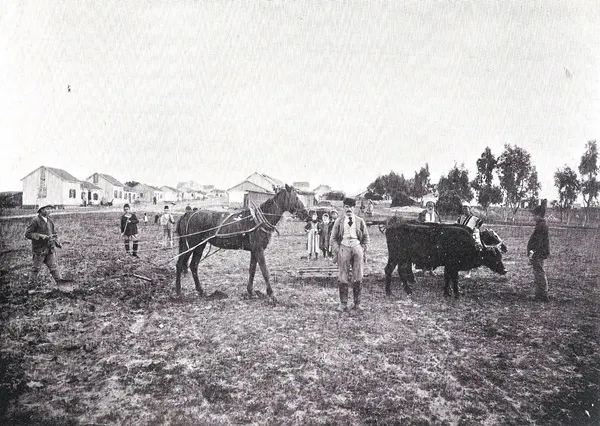
 Od Zachodniego Brzegu przez Tunezję i Turcję aż po Europę: jak antysemickie teorie spiskowe nieustannie odradzają się w nowych postaciach (Zdjęcie z artykułu “THE FIRST ALIYAH 1882–1903)
 Czego uporczywie powracające pogłoski o syjonistach kupujących ziemię uczą nas o antysemityzmie?
Elder of Ziyon
Pod koniec XIX i na początku XX wieku Żydzi legalnie nabywali ziemię w Palestynie, znajdującej się najpierw pod panowaniem osmańskim, a następnie pod mandatem brytyjskim, często płacąc za nią znaczne sumy. Zakupy te pomogły stworzyć fundamenty państwa żydowskiego.
Fakty te nie budzą wątpliwości. Ich osobliwa interpretacja leży u podstaw konfliktu arabsko-izraelskiego.
Dla antysyjonistów był to grzech pierworodny. Legalność transakcji nie ma znaczenia: pragnienie Żydów, by powrócić do swojej historycznej ojczyzny, wówczas słabo zaludnionej, było i nadal jest przedstawiane jako kradzież, czystka etniczna i coś jeszcze gorszego.
Na przestrzeni dziejów Żydów fałszywie oskarżano o najpotworniejsze zbrodnie: mordy rytualne, zatruwanie studni, spiskowanie w celu podporządkowania sobie nie-Żydów. Kiedy jakieś nowe zjawisko zaczyna być uznawane za zbrodnię – jak niewolnictwo w XIX wieku – Żydom nieodmiennie przypisuje się winę również za nie, czasem nawet z mocą wsteczną.
Od czasu odrodzenia Izraela oskarżenia te, jeśli już, tylko przybrały na sile. Izrael oskarżano o kradzież ziemi, kolonializm, apartheid, nielegalną okupację, agresję, eksterminację, ludobójstwo i niemal każde inne zło, jakie można sobie wyobrazić.
Antysyjoniści twierdzą, że nie są antysemitami. Jednak już samo prześledzenie historii tego, jak interpretują rzeczywiste lub wyimaginowane zakupy ziemi przez Żydów – od XIX wieku po dzień dzisiejszy, na całym obszarze Lewantu i poza nim – pokazuje, że ich zarzuty opierają się na antysemickich założeniach. Usuńmy antysemityzm, a oskarżenia te stracą wszelki sens; to nienawiść do Żydów stanowi ich ukryty fundament argumentacyjny.
Dziś na całym świecie zakup nieruchomości przez Żydów często interpretuje się jako element spisku mającego na celu przejęcie kontroli nad dotychczasowymi mieszkańcami i podporządkowanie ich sobie.
W rzeczywistości taka teoria spiskowa nie wymaga nawet, by jakikolwiek Żyd rzeczywiście kupił ziemię. Wystarczy pogłoska, że Żydzi ją kupują. Albo że ktoś rozważa sprzedaż ziemi Żydowi. Albo nawet podejrzenie, że niezidentyfikowany nabywca może potajemnie działać jako podstawiona osoba reprezentująca Żydów. Nie potrzeba ani rzeczywistego żydowskiego kupca, ani sfinalizowanej transakcji, ani jakichkolwiek dowodów nieprawidłowości. Teoria spiskowa sama dostarcza wszystkiego, czego brakuje.
Myślicie, że przesadzam?
Oto krótka historia pogłosek o Żydach kupujących ziemię oraz reakcji, jakie wywoływały one w świecie arabskim i muzułmańskim, a następnie również na Zachodzie, docierając nawet do „postępowej” specjalnej sprawozdawczyni ONZ.
Palestyńczycy: sprzedaż ziemi Żydom może być zdradą
Palestyńczycy uważają zakup ziemi przez Żydów za źródło wszystkich swoich problemów, nawet jeśli to właśnie ich przodkowie często byli sprzedającymi. Historia ta posłużyła jednak również do usprawiedliwienia traktowania samego aktu sprzedaży ziemi Żydom jako przestępstwa.
W maju 1997 roku minister sprawiedliwości Autonomii Palestyńskiej Freih Abu Middein ogłosił, że Palestyńczykom sprzedającym ziemię Żydom może grozić kara śmierci. Autonomia Palestyńska zamierzała powołać się na starsze prawo jordańskie, penalizujące sprzedaż ziemi Izraelczykom. Amnesty International poinformowała, że po oświadczeniu Abu Middeina dwóch palestyńskich handlarzy ziemią zostało zabitych, a trzeci zaginął.
Nie ograniczało się to do epoki Arafata. W 2014 roku Mahmud Abbas zmienił palestyński kodeks karny, przewidując co najmniej pięć lat ciężkich robót za próbę sprzedaży ziemi „wrogiemu państwu” lub jego obywatelom oraz dożywotnie więzienie połączone z ciężkimi robotami w przypadku sfinalizowania transakcji. Wcześniejsi urzędnicy Autonomii Palestyńskiej mówili wprost o sprzedaży ziemi Żydom, a nie tylko Izraelczykom.
Badanie akademickie z 2025 roku, przeprowadzone przez prawnika Haima Sandberga, dokumentuje liczne postępowania karne, wyroki od pięciu lat więzienia po dożywocie, a także jeden wyjątkowy przypadek orzeczenia kary śmierci, której jednak nigdy nie wykonano.
Prywatna transakcja między dobrowolnie działającymi sprzedającym a kupującym jest więc traktowana jako potencjalny akt zdrady narodowej.
Jordania: Żydzi nadchodzą po Petrę
Jordańskie obawy przed wykupywaniem ziemi przez Żydów doprowadziły do powstania kilku niezwykłych teorii spiskowych. W 1973 roku Jordania uchwaliła ustawę przewidującą karę śmierci za sprzedaż nieruchomości obywatelom Izraela.
Według Human Rights Watch Jordania uchyliła to prawo w trakcie procesu pokojowego z Izraelem. Nie położyło to jednak kresu paranoi.
W 2016 roku jordańskich parlamentarzystów zaniepokoiła bezpodstawna pogłoska, jakoby Izraelczycy kupowali ziemię wokół Petry, słynnego stanowiska archeologicznego. Niektórzy deputowani otwarcie domagali się zakazu sprzedaży ziemi Żydom, a nie tylko obywatelom Izraela. Jordański parlament ograniczył następnie możliwość nabywania i dzierżawienia nieruchomości w regionie Petry, odpowiadając na żądania, by Izraelczykom wprost zakazać nabywania tam ziemi.
Krążyły również pogłoski, że Żydzi potajemnie umieszczają wokół Petry sfabrykowane żydowskie zabytki, przygotowując grunt pod przyszłe roszczenia terytorialne – tym razem nie poprzez zakup ziemi, lecz za pomocą fałszywej archeologii. U podstaw tych obaw leżało przekonanie, że Żydzi wykorzystują turystykę, archeologię i rynek nieruchomości jako narzędzia skoordynowanego planu zawłaszczenia jordańskiego terytorium. Pisałem o tym w 2016 roku, zwracając uwagę, że sam język używany przez parlamentarzystów ujawniał, jak łatwo sprzeciw wobec izraelskiej własności nieruchomości przeradzał się w sprzeciw wobec własności żydowskiej.
Następnie, w 2017 roku, Jordania ogłosiła wielki projekt urbanistyczny pod nazwą Nowy Amman.
Niemal natychmiast zaczęły krążyć pogłoski, że Żydzi potajemnie wykupują tam ziemię za pośrednictwem Europejczyków i izraelskich Arabów działających jako pośrednicy. I tym razem były one całkowicie bezpodstawne. Według ówczesnych doniesień projekt nie miał nawet zagranicznych inwestorów.
Ale dla tych, którzy w tę pogłoskę wierzyli, wszystko układało się w logiczną całość. Żydzi kupowali ziemię w Palestynie, ostatecznie powstał Izrael, a teraz Żydzi rzekomo kupowali ziemię w Jordanii. Oczywiście historia musiała się powtarzać.
Żadne dowody nie były potrzebne. Wystarczyło, że w pogłoskach pojawiali się Żydzi.
Irak: pogłoska, która doprowadziła do fatwy wzywającej do zabijania Żydów
W czerwcu 2003 roku, krótko po obaleniu Saddama Husajna, w Iraku rozeszły się pogłoski, że Żydzi i Izraelczycy potajemnie wykupują cenne nieruchomości, w tym hotele, budynki handlowe i ziemię w pobliżu ważnych miejsc kultu religijnego.
23 czerwca Al Jazeera opublikowała artykuł zatytułowany „Izraelski atak na irackie nieruchomości”. Opisywano w nim żydowskich inwestorów, którzy rzekomo oferowali ogromne sumy za irackie nieruchomości, posługując się arabskimi i zagranicznymi pośrednikami w celu ukrycia swojej tożsamości. Nie podano żadnych nazwisk. Iracka firma oskarżona o zakup dwóch hoteli w imieniu żydowskich interesów publicznie zaprzeczyła jakimkolwiek związkom z Żydami lub Izraelczykami.
Artykuł przedstawiał nawet uzasadnione roszczenia majątkowe irackich Żydów, wypędzonych z kraju w latach pięćdziesiątych, jako element rzekomo podejrzanej działalności. Już sama możliwość powrotu Żydów w celu odzyskania ich własności była interpretowana jako część niebezpiecznego zagranicznego spisku.
Cztery dni później, 27 czerwca, Al Jazeera poinformowała, powołując się na Reutersa, że wpływowy szyicki duchowny, ajatollah Kazem al-Haeri, wydał fatwę stwierdzającą, iż wolno przelać krew każdego Żyda kupującego nieruchomości w Iraku.
Teorie spiskowe w rodzaju „Żydzi kupują nieruchomości, aby przejąć władzę” nie są jedynie zabawnymi historyjkami, z których możemy szydzić. Jeśli zakłada się, że Żydzi jako zbiorowość próbują zagarnąć terytorium, pojedynczy Żyd kupujący dom może zostać potraktowany jak wrogi żołnierz w wyimaginowanej wojnie. Oskarżenie nie musi być prawdziwe, by ktoś został zabity.
Tunezja: Żydzi rzekomo wykupują Dżerbę
Zupełnie nowa odsłona tej historii pochodzi z Tunezji, gdzie krąży pogłoska, że Żydzi potajemnie wykupują nieruchomości na wyspie Dżerba, będącej siedzibą jednej z najstarszych nieprzerwanie istniejących społeczności żydowskich na świecie.
Według tych oskarżeń zamożni cudzoziemcy oferują za nieruchomości trzy- lub czterokrotność ich wartości rynkowej, szczególnie w pobliżu zabytkowej synagogi Al-Ghriba. Zakupy te mają rzekomo stanowić część izraelskiego planu rozszerzenia żydowskiej kontroli nad wyspą.
W artykule opublikowanym 14 października 2026 roku w Tunisie Telegraph ustalono, że źródłem pogłoski były media społecznościowe, a na jej poparcie nie przedstawiono absolutnie żadnych dowodów. Ale same fakty nie mają szans w starciu z kłamstwami.
Tunezyjski pisarz Fawzi bin Yunus bin Hadid opublikował w Rai al-Youm artykuł ostrzegający, że Izrael wykorzystuje kryzys gospodarczy Tunezji do nabywania ziemi na Dżerbie i przygotowywania osadnictwa syjonistycznego. Wezwał mieszkańców Dżerby, by kategorycznie odmawiali sprzedaży ziemi jakimkolwiek Żydom lub syjonistom spoza Tunezji, niezależnie od okoliczności. Domagał się również nadzorowania nawet tych Żydów, którzy już mieszkają w Tunezji, aby upewnić się, że nie pomagają osobom z zewnątrz w nabywaniu nieruchomości.
Ten ciąg wydarzeń jest zdumiewający. Nie byłoby niczego złego w kupowaniu ziemi na Dżerbie przez Żydów, gdyby w ogóle było to dozwolone. Tymczasem pogłoska o czymś, co nie jest nawet w najmniejszym stopniu niemoralne, zostaje przekształcona w oskarżenie wymierzone w obecnych żydowskich mieszkańców Dżerby. Antysyjonizm i antysemityzm są tu ze sobą splecione.
Elie Trabelsi, którego ojciec stoi na czele żydowskiej społeczności Dżerby, odpowiedział z oburzeniem, że żydowskie rodziny posiadają tam ziemię od stuleci i nie prowadzą potajemnego handlu nieruchomościami w celu stworzenia jakiegoś nowego projektu terytorialnego. Ale dlaczego tunezyjscy Żydzi mieliby w ogóle tłumaczyć się z wyimaginowanych transakcji nieruchomościami?
Bez antysemityzmu nic z tego nie ma sensu. Antysemityzm jest niezbędny, aby ta „logika” sprawiała wrażenie spójnej.
Turcja: obsesja nieustannie narasta
Te same pogłoski krążą w Turcji od dziesięcioleci.
Turecka wersja tej teorii często wiąże się z koncepcją „Wielkiego Izraela”, który miałby rzekomo rozciągać się od Nilu po Eufrat. Ponieważ część południowo-wschodniej Turcji należała pierwotnie do Hetytów, w Turcji uważa się, że zachłanne izraelskie pragnienie ekspansji sięga poza obecne granice państwa. Mapy tego rzekomo wymarzonego „Wielkiego Izraela” są często publikowane w tureckich mediach.
A w jaki sposób Izrael miałby rzekomo przygotowywać się do realizacji tego planu?
Oczywiście poprzez potajemne kupowanie ziemi.
Już w 1998 roku turecki parlamentarzysta Abdulkadir Öncel skierował do rządu oficjalne zapytanie, czy Izrael nabywa nieruchomości w okolicach Şanlıurfy za pośrednictwem ukrytych transakcji, realizując swoje rzekome ambicje terytorialne. Rząd poprosił o dodatkowe informacje na temat domniemanych nabywców, ale najwyraźniej nigdy ich nie dostarczono.
W 2004 roku tureckie media ponownie rozpowszechniały oskarżenia, jakoby Izraelczycy wykupywali ogromne połacie gruntów rolnych w południowo-wschodniej Turcji. Urzędnicy prowadzący rejestry gruntów informowali, że rzeczywista skala własności nieruchomości należących do obywateli Izraela była znikoma w porównaniu z rozmiarami przedstawianymi w oskarżeniach, a istnienia zorganizowanego izraelskiego programu wykupu ziemi w tym regionie nie wykazano.
Teoria spiskowa jednak przetrwała. W grudniu 2023 roku turecki parlamentarzysta Ömer Karakaş oświadczył w parlamencie, że Żydzi kupują tysiące akrów tureckiej ziemi w ramach skoordynowanej operacji. Następnie całkowicie zatarł różnicę między Izraelczykami a Żydami: „Nie mówię o Izraelczykach”. Twierdził, że Żydzi mieszkający na całym świecie systematycznie wykupują tureckie terytorium. Wprost porównał ten wyimaginowany żydowski wykup ziemi do wczesnych zakupów gruntów przez Żydów w Palestynie i stwierdził, że Turcja będzie musiała ponownie podbić te tereny.
Strach rozprzestrzenił się również na kontrolowany przez Turcję Cypr Północny. W grudniu 2023 roku Cyprus Mail udokumentował, jak tureckie i turecko-cypryjskie media oskarżały żydowskich właścicieli nieruchomości o przygotowywanie syjonistycznego przejęcia kontroli nad tym obszarem. Niektóre gazety twierdziły, że dziesiątki tysięcy Żydów kupiły ogromne połacie ziemi, podczas gdy aktywiści upubliczniali tożsamość żydowskich właścicieli nieruchomości i organizowali protesty przed ośrodkiem Chabadu.
W tym przypadku na okupowanym przez Turcję Cyprze rzeczywiście działają izraelscy inwestorzy. Stanowią oni jednak tylko jedną z wielu grup inwestorów zagranicznych. Turecki minister spraw zagranicznych Hakan Fidan odpowiedział, że obywatele Izraela zajmują dopiero dwunaste miejsce wśród narodowości ubiegających się o zakup nieruchomości na Cyprze Północnym, a od 2000 roku złożono nieco ponad 200 takich wniosków.
Podobne oskarżenia w Ameryce
Nie jest to zjawisko występujące wyłącznie w świecie arabskim czy muzułmańskim.
W amerykańskich miejscowościach ortodoksyjnych Żydów kupujących domy oskarżano o planowanie przejęcia całych gmin, między innymi w Jackson i Toms River w stanie New Jersey. W Nowym Jorku, New Jersey i Montrealu, a także w innych miejscach, nawet budowa eruwu – niemal niewidocznej granicy religijnej, która pozwala praktykującym Żydom przenosić przedmioty w szabat – wywoływała obawy przed żydowską dominacją terytorialną. W kilku przypadkach władze stanowe i federalne interweniowały przeciwko dyskryminacyjnym próbom uniemożliwienia Żydom osiedlania się w danych społecznościach lub zakładania instytucji religijnych.
Rzekomym celem nie zawsze jest stworzenie kolejnego państwa żydowskiego. Czasami chodzi podobno o przejęcie kontroli nad radą szkolną, podporządkowanie sobie władz lokalnych lub wyparcie dotychczasowych mieszkańców. Ale leżące u podstaw podejrzenie jest dobrze znane: Żydzi nie mogą po prostu chcieć mieć domów, szkół i synagog. Za ich działaniami musi kryć się coś bardziej złowrogiego: spiskują, mają niecne zamiary, a sama ich żydowskość dostarcza ludziom schematu myślowego pozwalającego zakładać, że wszystko, co robią poszczególni Żydzi, jest w rzeczywistości częścią spisku obejmującego większy, scentralizowany, wszechpotężny żydowski podmiot.
Francesca Albanese przenosi teorię spiskową do Europy – i zmienia zarzucane przestępstwo
Szczególnie odrażającą odmianę tej teorii spiskowej rozpowszechniła na początku tego miesiąca nie kto inny jak specjalna sprawozdawczyni ONZ Francesca Albanese.
12 października Albanese udostępniła nagranie AJ+ dotyczące izraelskich inwestycji w nieruchomości w krajach europejskich. Jak informowałem w zeszłym tygodniu, dodała do niego następujący komentarz:
Przyjrzyjcie się uważnie. Cypr, Grecja, Serbia, południe Włoch. Globalizacja apartheidu, cegła po cegle. Jedno zamknięte osiedle po drugim.
W arabskich i tureckich wersjach tej teorii spiskowej Żydzi kupujący ziemię rzekomo przygotowują się do skolonizowania kolejnego kraju, powtarzając historyczny przykład Palestyny.
Albanese zmienia charakter oskarżenia. W jej chorym umyśle izraelscy inwestorzy kupujący i zabudowujący nieruchomości w Europie mają rzekomo eksportować apartheid.
W jaki dokładnie sposób? Tego nie wyjaśnia, a antysemickie założenia kryjące się za jej wpisem nie wymagają od niej żadnego wyjaśnienia. Oczywiście, jeśli Izraelczycy lub Żydzi kupują nieruchomości, musi to służyć eksportowaniu apartheidu, bo przecież tym właśnie się zajmują. Mnóstwo innych inwestorów z różnych krajów lokuje kapitał w określonych częściach Europy, zwłaszcza na obszarach turystycznych. Ale kiedy robią to obywatele Izraela, nie może chodzić po prostu o inwestycje poszczególnych izraelskich Żydów. Musi to być element spisku mającego szerzyć na świecie zepsucie i zło.
Bez wyjściowego założenia o żydowskim złu jej wpis nie ma sensu. Przy takim założeniu staje się całkowicie logiczny. U podstaw nadal leży przekonanie, że działalność gospodarcza Żydów lub Izraelczyków nigdy nie jest po prostu tym, czym wydawałaby się w przypadku kogokolwiek innego. Musi służyć jakiemuś większemu, złowrogiemu celowi.
A oskarżenie to nie pochodzi od jakiegoś nieznanego teoretyka spiskowego piszącego do lokalnej gazety, lecz od przedstawicielki Organizacji Narodów Zjednoczonych zajmującej się prawami człowieka. Choć po cichu usunęła swój wpis, pokazuje on, w jaki sposób myśli – i jak, jej zdaniem, myślą również jej odbiorcy.
„Protokoły mędrców Syjonu” są wspólnym mianownikiem
Co łączy wszystkie te historie?
Każda z nich opiera się na zestawie ukrytych założeń dotyczących Żydów, które osoby rozpowszechniające te opowieści spodziewają się podzielać ze swoimi odbiorcami.
Pierwsze założenie głosi, że Żydzi działają jako jeden zbiorowy podmiot. Poszczególni Żydzi, obywatele Izraela, organizacje syjonistyczne i izraelski rząd traktowani są jak wymienne elementy jednego ogólnoświatowego przedsięwzięcia. Żyd próbujący kupić dom w kraju muzułmańskim nie jest po prostu osobą kupującą dom. Zakłada się, że działa w imieniu jakiegoś większego żydowskiego projektu politycznego.
Ironia polegająca na tym, że grupa tak skłócona wewnętrznie miałaby być w stanie uzgodnić cokolwiek, całkowicie umyka zwolennikom teorii spiskowych.
Drugie założenie mówi, że ten zbiorowy żydowski cel jest zawsze złowrogi. Żydzi nie chcą po prostu posiadać nieruchomości, budować domów, inwestować pieniędzy czy podtrzymywać wspólnot religijnych. Zawsze musi kryć się za tym jakiś podstęp. Chcą dominować, wykorzystywać, wypędzać lub uciskać innych ludzi.
Trzecie założenie głosi, że Żydzi sprytnie ukrywają swoje działania i zamiary. Jeśli zidentyfikowany Żyd kupuje ziemię, jest to bezpośredni dowód spisku. Jeśli nabywca nie jest Żydem, musi działać jako podstawiona osoba reprezentująca żydowskiego kupca. Jeśli zaś w ogóle nie można wskazać żadnego nabywcy, dowodzi to, jak zręcznie Żydzi ukrywają swoje operacje.
Czwarte założenie mówi, że żydowskie pieniądze i wpływy mają nadzwyczajną potęgę. Zamożne żydowskie grupy interesów mają rzekomo zdolność koordynowania transakcji nieruchomościami na różnych kontynentach, a jednocześnie ukrywania swojej tożsamości, manipulowania rządami i przygotowywania przejęcia terytoriów. Nie wiadomo, w jaki sposób zakupy nieruchomości przez Żydów miałyby doprowadzić do utraty części suwerennego terytorium przez Jordanię, Turcję czy Tunezję, ale to już szczegóły: Żydzi z pewnością dawno wszystko sobie obmyślili.
Nie są to żadne nowości w historii antysemityzmu. Wszystkie cztery założenia stanowią fundament „Protokołów mędrców Syjonu”, osławionego antysemickiego fałszerstwa, które głosiło, że Żydzi potajemnie współpracują, aby kontrolować świat. „Protokoły” przedstawiały wyobrażoną, zjednoczoną żydowską zbiorowość, wykorzystującą bogactwo, oszustwo i zakulisowe wpływy do podporządkowywania sobie społeczeństw nieżydowskich. Teorie spiskowe dotyczące wykupywania ziemi wyobrażają sobie dokładnie taką samą zbiorowość działającą na rynku nieruchomości.
Zachodni antysemici mogą twierdzić, że są zbyt wyrafinowani, by dosłownie wierzyć w „Protokoły”, ale podświadomie przyswoili sobie te cztery założenia: bez nich teorie te brzmiałyby jak czyste szaleństwo. Bez wcześniejszego przekonania, że Żydzi potajemnie koordynują działania mające szkodzić innym, dlaczego ktokolwiek miałby wyciągać wniosek, że pogłoska o transakcji nieruchomościowej na Dżerbie oznacza izraelski plan podboju Tunezji? Dlaczego nowa inwestycja budowlana pod Ammanem miałaby budzić podejrzenia o istnienie ogólnoświatowego żydowskiego spisku? Dlaczego osiedle mieszkaniowe na Cyprze miałoby być uznawane za dowód apartheidu?
Pogłoski te mają realne konsekwencje. Fatwa zezwalająca na odebranie życia każdemu żydowskiemu nabywcy nieruchomości lub osobie, która mu ją sprzedaje, nie jest zagrożeniem czysto teoretycznym. Oskarżanie żydowskich inwestorów o szerzenie apartheidu na całym świecie może z łatwością doprowadzić do uchwalenia przepisów wymierzonych wyłącznie w Żydów albo sprytnie zamaskowanych tak, by osiągnąć właśnie ten cel. (Izraelscy Arabowie również są obywatelami „wrogiego państwa”, ale Autonomia Palestyńska skonstruowała przepisy w taki sposób, by mogli oni kupować mieszkania na obszarach znajdujących się pod jej kontrolą, podczas gdy Żydzi nie mogą nabywać nieruchomości na tych samych terenach).
Zwykli ludzie, słysząc o planowanej inwestycji na rynku nieruchomości, mogliby zapytać, kim są inwestorzy, czy projekt ma zapewnione finansowanie, na co pozwalają przepisy dotyczące zagospodarowania przestrzennego oraz czy lokalni mieszkańcy odniosą korzyści, czy poniosą straty. Ktoś, kto akceptuje te antysemickie założenia, może całkowicie pominąć takie pytania. On już wie, a jego docelowi odbiorcy również wiedzą. W pogłoski nie wierzy się dlatego, że dowody są przekonujące. Wierzy się w nie dlatego, że potwierdzają to, co ludzie już wcześniej myśleli o Żydach.
To nie pogłoski tworzą antysemityzm. To antysemityzm sprawia, że szalone, bezpodstawne pogłoski w ogóle wydają się wiarygodne.
„Protokoły mędrców Syjonu” zostały zdemaskowane jako fałszerstwo ponad sto lat temu. Jednak światopogląd, na którym się opierały, nadal żyje – i dziś wciąż się rozprzestrzenia.
Link do oryginału:

Zawartość publikowanych artykułów i materiałów nie reprezentuje poglądów ani opinii Reunion’68,
ani też webmastera Blogu Reunion’68, chyba ze jest to wyraźnie zaznaczone.
Twoje uwagi, linki, własne artykuły lub wiadomości prześlij na adres:
webmaster@reunion68.com